
Renaissance and Early Modern Periods
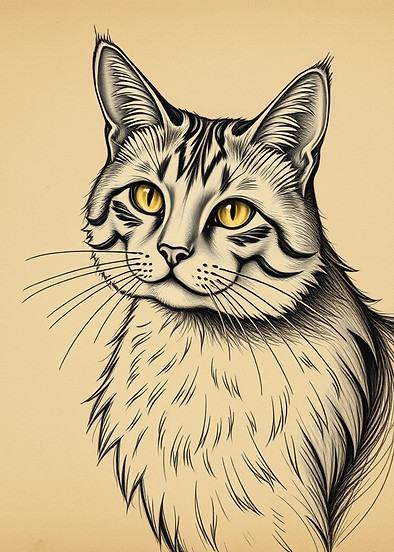
The Renaissance period marked a transformation in how cats were portrayed in art and literature. Artists like Leonardo da Vinci created detailed studies of cats, with his famous sketches showing deep appreciation for feline anatomy and movement. These artistic works elevated cats from functional animals to subjects worthy of serious artistic attention.
Domestic scenes in Renaissance paintings increasingly featured cats as family members rather than working animals. Painters like Johannes Vermeer included cats in intimate household scenes, suggesting that cats had become integral to family life. When modern people plan cat cafes for birthdays or special occasions, they're continuing this Renaissance tradition of celebrating cats as important family participants.
The printing press revolution allowed wider distribution of cat-related literature and imagery. Sebastian Brant's "Ship of Fools" (1494) included cats as symbols of wisdom and practical intelligence, while Aesop's fables featuring cats gained wider circulation, embedding cats deeper into European cultural consciousness.